
How Sleep Impacts Your Health Daily
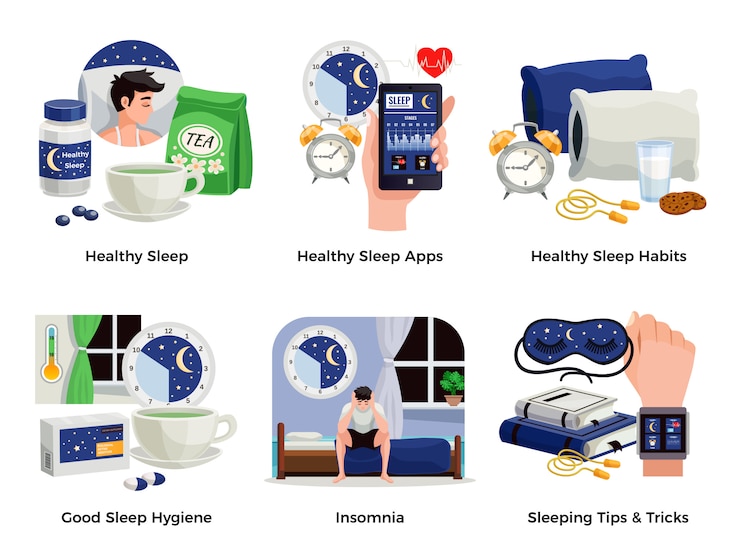
Sleep is more than just a nightly pause—it’s your body’s master reset. Every cell, system, and synapse benefits from solid rest. From clearer skin to sharper cognition, sleep touches nearly every aspect of health. Yet, in a fast-paced world filled with late-night scrolling and early morning hustle, quality sleep often becomes collateral damage.
Understanding how sleep works, and more importantly, how it works for you, can transform your health in profound ways.
The Role of Rhythm: Why Timing is Everything
Your body runs on a natural clock known as the circadian rhythm. This internal 24-hour cycle governs sleep-wake patterns, hormone release, body temperature, and even metabolism. Disrupting it—by staying up late, waking at inconsistent times, or getting too little light exposure—throws your entire system into disarray.
The circadian rhythm regulation importance can’t be overstated. When aligned, it supports everything from immune function to emotional balance. When misaligned, it invites fatigue, weight gain, irritability, and even chronic illness. Morning sunlight, regular sleep hours, and minimal blue light exposure at night help keep your internal clock on time.
How to Know You’re Sleeping Well
Just because you’re in bed for eight hours doesn’t mean you’re getting quality rest. The body cycles through various sleep stages, each with its unique function. Knowing how to assess your sleep is crucial for making improvements.
Enter sleep quality measurement techniques. These include both subjective methods—like sleep journals and mood tracking—and objective ones such as wearable trackers, smart rings, or apps that monitor sleep duration, interruptions, and movement. These tools can reveal patterns like how often you wake up during the night, how much time you spend in restorative stages, and whether your sleep is truly refreshing.
Paying attention to how you feel in the morning—groggy or rejuvenated—can also be a key indicator. High-quality sleep leaves you energized, focused, and emotionally regulated throughout the day.
Deep Sleep, Deep Healing
All sleep is good, but some sleep is gold. The body enters restorative deep sleep phases during the earlier part of the night. This is when the magic happens: tissues repair, growth hormones are released, and memories consolidate. It’s also when the brain clears out waste products—literally detoxing while you dream.
Miss out on deep sleep, and your body feels the impact fast. The immune system weakens, reaction times slow, and even your appetite hormones go haywire. Prioritizing a cool, dark, quiet sleep environment can significantly increase time spent in these healing phases.
To support restorative deep sleep phases, avoid caffeine after 2 PM, limit alcohol before bed, and steer clear of heavy meals late in the evening. Let your body wind down naturally.
Build a Bedtime Ritual That Works
Consistency is a superpower when it comes to sleep. A reliable evening routine sends strong signals to the brain: it’s time to switch off. The bedtime routine consistency benefits are well-documented. They include faster sleep onset, longer sleep duration, and reduced midnight wake-ups.
A smart bedtime ritual might include gentle stretching, herbal tea, reading a physical book (no screens!), or guided meditation. Going to bed and waking up at the same time—even on weekends—helps reinforce the body’s natural rhythms.
This steady practice builds a sleep environment that is predictable and soothing. And when your brain associates certain activities with sleep, falling asleep becomes nearly effortless.
The Daily Payoff
Solid sleep doesn’t just feel good—it changes your health trajectory. Better mood, improved memory, stronger immunity, balanced hormones, and lower risk of chronic disease are just the beginning.
When sleep becomes a priority rather than an afterthought, energy levels stabilize, cravings diminish, workouts become more effective, and even skin clears up. It’s one of the few habits that offers exponential returns.
Micro-Shifts That Make a Macro Difference
Start small. Aim to align with your natural rhythms, track your sleep quality, honor the need for deep sleep, and build a ritual that cues your body to rest. These small, conscious changes can make you feel like a whole new person in just a matter of days.
Remember, health isn’t just built in the gym or the kitchen—it’s also built in the bedroom. Let your pillow become a powerful ally in the pursuit of vitality.
By embracing the circadian rhythm regulation importance, exploring sleep quality measurement techniques, enhancing your restorative deep sleep phases, and enjoying the bedtime routine consistency benefits, you unlock the underrated superpower of truly restorative rest. Sleep well, live better.


