Making Room for What You Love: Choosing a Home That Supports Your Hobbies
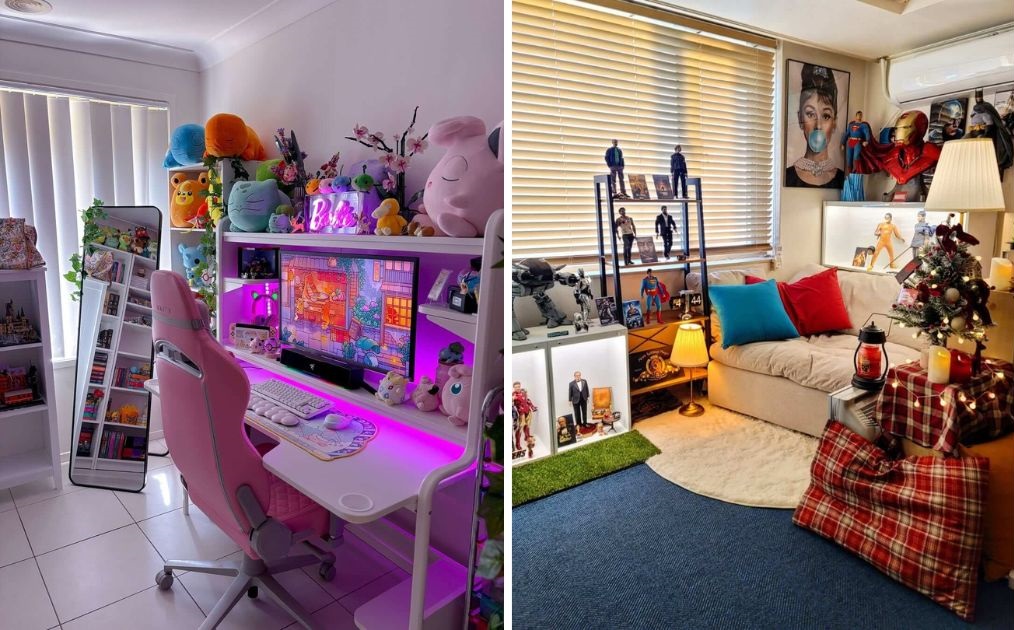
Your Interests Deserve a Place at Home
A home is more than a place to sleep, eat, and prepare for the working day. It can also provide room for creative expression, personal development, and activities that help people unwind.
Some residents enjoy painting, reading, or playing musical instruments. Others prefer photography, crafting, collecting, or exploring new skills through practical projects. These interests may require different amounts of space, equipment, and storage.
When comparing residential properties, buyers should consider how their hobbies fit into the available layout. A home that accommodates personal interests comfortably can make everyday life more enjoyable without requiring a dedicated room for every activity.
Identify the Space Your Hobby Actually Requires
Before choosing a property, list the activities you expect to pursue regularly and identify their practical requirements.
A person who enjoys reading may need little more than a comfortable chair, suitable lighting, and a bookshelf. Someone who paints or makes handmade products may require a larger work surface, storage containers, and a location that is easy to clean.
Photography enthusiasts might need space to organise equipment, while people who enjoy home workouts may prefer an open area that can accommodate exercise mats or compact fitness equipment.
Think about how often each activity takes place. Equipment used every day should be easy to access, while items needed occasionally can be stored elsewhere.
This simple exercise helps buyers distinguish between essential space and features that would be pleasant but unnecessary.
Flexible Furniture Can Make Small Spaces More Useful
A dedicated hobby room is convenient, but it is not essential for every household. Flexible furniture can allow one area to serve several purposes throughout the day.
A foldable desk may provide a temporary workspace for creative projects. A storage bench can hold supplies while offering additional seating, and a movable trolley can keep frequently used equipment organised.
The key is to ensure that these arrangements remain practical. Furniture should not obstruct entrances, reduce safe walking space, or make ordinary household tasks difficult.
Buyers should consider the dimensions of their intended furniture before purchasing a unit. Measuring desks, shelving, and storage cabinets in advance can prevent costly mistakes when furnishing the home.
Evaluate Natural Light and Room Orientation
Lighting can influence the enjoyment of many hobbies. Artists may appreciate consistent daylight, readers often benefit from comfortable illumination, and people who work with detailed materials may need focused task lighting.
During a property viewing, observe how natural light enters different rooms. Consider whether direct sunlight could cause glare, affect stored materials, or make a workspace uncomfortably warm.
Artificial lighting can supplement daylight, but its effectiveness depends on the activity. A combination of general illumination and adjustable task lighting may be more useful than relying on one bright ceiling fixture.
Buyers should assess the actual unit rather than assuming that every home within a development has identical lighting conditions.
Planning Creative Space at Solano Grand
Prospective purchasers researching Solano Grand can review the official floor plans to identify areas that might accommodate personal interests.
Consider whether a corner of the living room could support reading, whether a bedroom offers enough room for a compact desk, or whether available storage can accommodate hobby equipment without creating clutter.
The intended arrangement should preserve the main functions of each room. For example, a workspace should not make it difficult to access wardrobes, open doors, or move comfortably around the home.
Buyers should also verify the confirmed dimensions and fittings of their preferred unit before purchasing furniture. Display units and promotional images may show arrangements that require different furniture sizes or additional accessories.
A realistic floor plan can help residents create an enjoyable personal space while keeping the rest of the home organised.
Consider Hobbies That Generate Noise or Mess
Not every hobby fits equally well into a shared residential environment. Painting, sewing, model-making, and similar activities may require protective coverings or dedicated storage, while musical practice and certain workshop activities can create noise.
Residents should think about how these activities may affect other household members and neighbours. Noise-sensitive hobbies may need to be scheduled during appropriate hours, while messy projects can benefit from surfaces that are easy to clean.
Before planning any activity involving substantial equipment, power tools, chemicals, or structural changes, check the relevant safety requirements and development rules.
A practical setup should support enjoyment without creating avoidable disturbance or damage.
Finding Room for Personal Interests Around Wynwood Grand
Those considering Wynwood Grand can assess how the available residential layouts might accommodate their hobbies alongside work, rest, and family activities.
Start by identifying the equipment that needs permanent storage and the activities that can be performed using temporary arrangements. This distinction helps determine whether a separate room is necessary or whether a flexible corner would be sufficient.
The wider Woodlands area may also offer opportunities for interests that are better pursued outside the home. Depending on individual preferences, residents might investigate nearby parks, recreational facilities, community activities, or other relevant venues.
Check the locations, access arrangements, and current availability of such facilities rather than assuming that every activity is supported nearby.
Combining a practical home setup with suitable external options can help residents enjoy their interests without overcrowding their living space.
Organise Supplies Before They Take Over the Home
Hobbies often accumulate equipment over time. Books, craft materials, sporting accessories, collectibles, and electronic devices can gradually occupy more space than originally expected.
Use labelled containers, suitable shelving, and designated storage areas to keep items organised. Frequently used supplies should remain accessible, while rarely needed equipment can be stored in less prominent locations.
It is also worth reviewing belongings periodically. Selling, donating, or responsibly disposing of unused materials can free up space for current interests.
Good organisation makes hobbies easier to enjoy and reduces the effort required to restore shared areas after each session.
Allow Your Interests to Evolve
Personal interests change as people gain experience or discover new activities. A room initially used for painting might later become a study area, while exercise equipment could eventually be replaced by musical instruments or reading furniture.
Flexible layouts and adaptable storage make these transitions easier. Buyers should therefore prioritise arrangements that can accommodate several uses rather than investing heavily in a highly specialised setup before understanding their long-term needs.
Conclusion
A home that supports personal interests does not necessarily require extra rooms or expensive renovations. Practical storage, flexible furniture, suitable lighting, and thoughtful space planning can make hobbies easier to enjoy.
By evaluating their routines and reviewing the actual property layout, buyers can choose a home that balances personal enjoyment with everyday functionality. The best arrangement provides room for individual interests while preserving comfort for everyone who shares the space.