Singapore Property Capital Growth Strategy 2026: How Long-Term Wealth Is Actually Built
Capital Growth in a Controlled Market Environment
In 2026, capital growth in Singapore’s property market is no longer driven by rapid speculation or sudden demand surges. Instead, it is shaped by controlled supply, infrastructure development, and long-term urban planning. This creates a more predictable environment where wealth is built gradually rather than through short-term price spikes.
For investors, understanding how capital appreciation actually occurs is essential for realistic return expectations.
The Role of Scarcity in Price Appreciation
Singapore’s limited land supply remains the most important structural driver of capital growth. As available land becomes increasingly scarce, well-located properties naturally gain long-term value due to constrained supply and sustained demand.
This scarcity effect is not immediate but compounds over time, especially in established or emerging growth districts.
Infrastructure Development as a Growth Catalyst
Capital appreciation is strongly influenced by infrastructure upgrades. New MRT lines, road expansions, and regional hub development all contribute to increased accessibility, which gradually lifts property values.
Importantly, markets often price in infrastructure improvements years before completion, meaning early positioning is critical.
Location Maturity and Value Trajectory
Properties in different stages of location maturity experience different growth patterns. Mature locations tend to offer stability, while emerging areas offer higher upside potential if development plans are executed successfully.
Investors often balance these two profiles depending on risk appetite and investment horizon.
Supply Absorption and Price Momentum
Capital growth is also influenced by how quickly new supply is absorbed. When demand outpaces new supply, prices tend to rise steadily. However, when supply temporarily exceeds demand, growth may slow until the market rebalances.
This dynamic is particularly important in newly developed districts.
Rental Performance Supporting Capital Value
Strong rental demand indirectly supports capital appreciation by establishing a price floor. Properties that generate consistent rental income tend to retain value better, even during slower market periods.
This is why rental strength and capital growth are closely interconnected in Singapore’s property market.
Investor Behavior and Holding Periods
Long-term holding remains one of the most reliable strategies for capital growth in Singapore. Short-term fluctuations are common, but value tends to compound over longer time horizons.
Most successful investors adopt holding periods of at least 5–10 years to fully capture appreciation cycles.
Strategic Positioning in Growth-Oriented Developments
Certain developments are better positioned for capital growth due to their location, design, and alignment with future infrastructure plans. These properties tend to attract consistent demand across different market cycles.
Well-planned projects such as Lucerne Grand benefit from this positioning, where accessibility and long-term urban integration support gradual value appreciation over time.
Suburban Growth and Value Redistribution
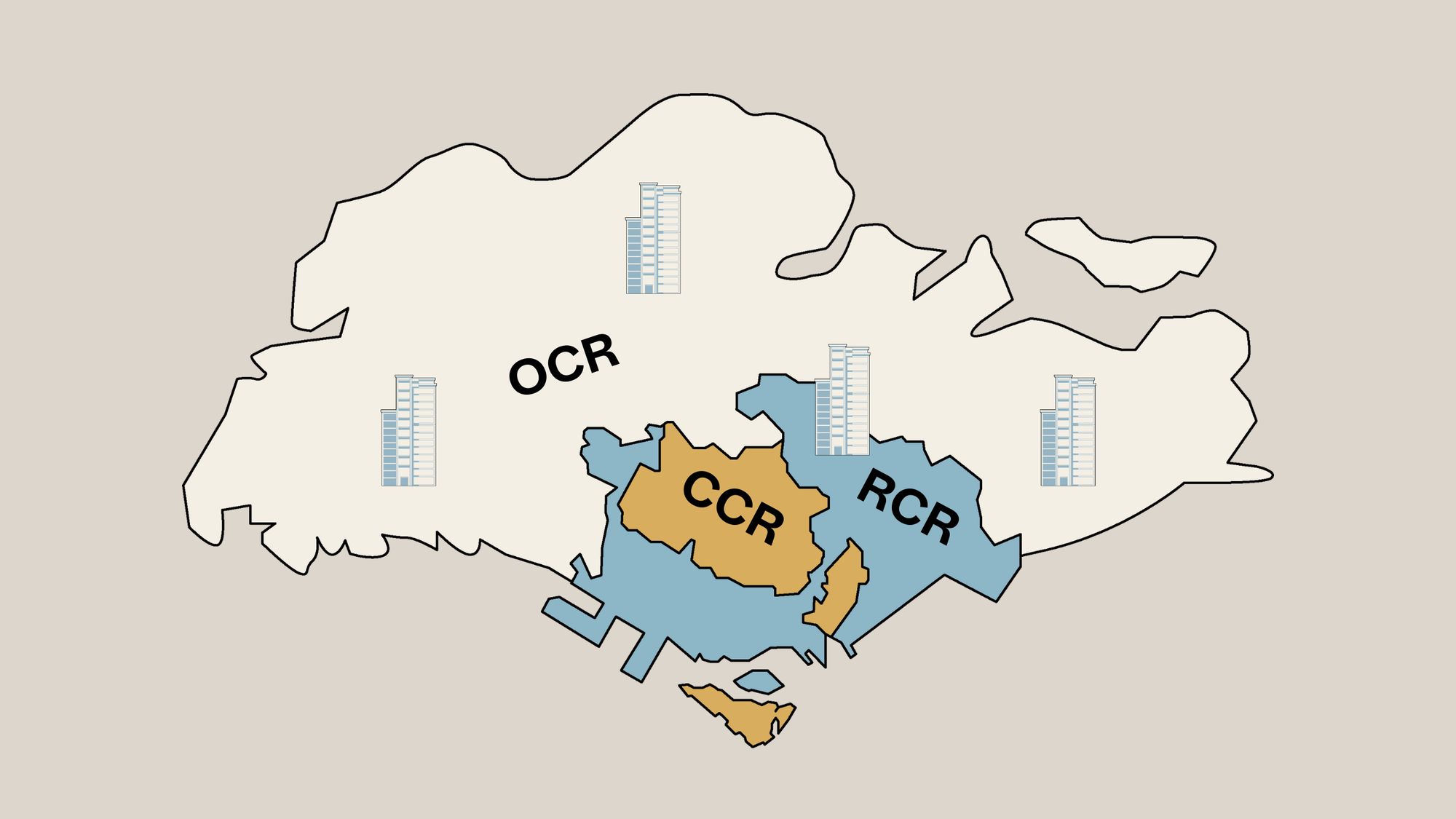
Suburban areas are playing an increasingly important role in capital growth trends. As regional hubs develop and transport connectivity improves, value is gradually redistributing away from traditional central districts.
This creates new growth opportunities in previously underdeveloped areas.
Market Cycles and Appreciation Phases
Capital growth does not occur uniformly. Instead, it moves through phases of acceleration, stabilization, and consolidation. Understanding these phases helps investors avoid overpaying during peak periods and identify better entry points during slower phases.
Timing entry within these cycles significantly impacts long-term returns.
Lifestyle Demand and Long-Term Value
Lifestyle factors are becoming increasingly important in determining long-term capital growth. Properties that offer a strong living environment tend to maintain higher demand and stronger resale value.
Features such as greenery, amenities, and community design contribute to sustained desirability.
Island Residences reflects this trend by appealing to buyers who prioritize balanced living environments, which supports long-term value retention and gradual appreciation driven by lifestyle demand.
Policy Stability Supporting Predictable Growth
Singapore’s regulatory framework ensures that capital growth remains stable and sustainable. Cooling measures, controlled supply, and strict lending policies prevent extreme price volatility, creating a more predictable investment environment.
This stability is a key reason why long-term capital growth is considered reliable in Singapore.
Conclusion
Capital growth in Singapore’s 2026 property market is shaped by structural scarcity, infrastructure development, and disciplined market regulation. Rather than rapid gains, investors benefit from steady, long-term appreciation supported by strong fundamentals.
Properties with strategic positioning, rental resilience, and lifestyle appeal are best positioned for sustained value growth. Developments such as Lucerne Grand and Island Residences demonstrate how well-aligned assets can deliver consistent capital appreciation over time in a stable but highly structured market environment.