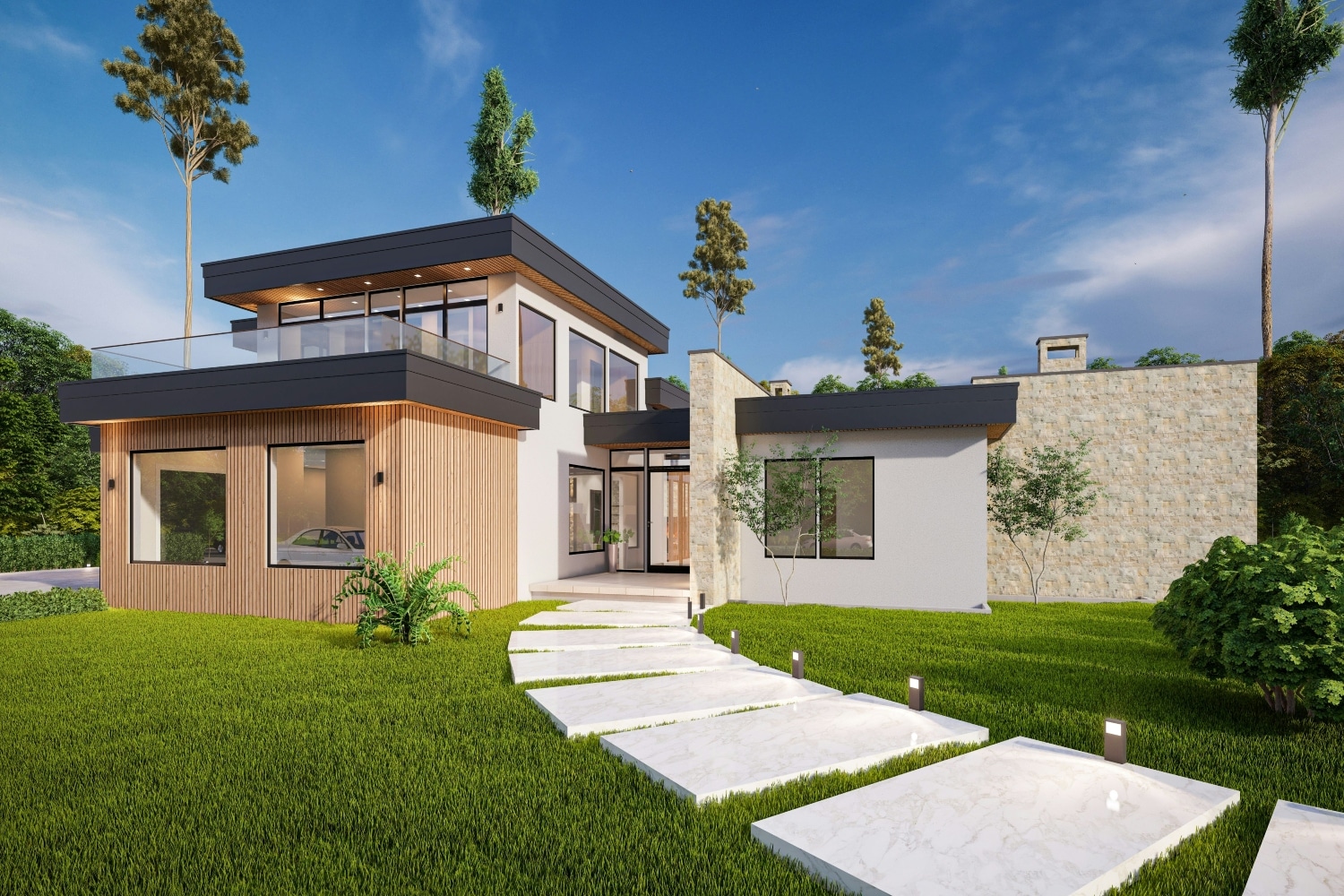
Creative Living: Transforming Spaces Into Inspiring Retreats

Introduction & Background
In today’s fast-paced world, finding moments of peace and inspiration can feel like a rare luxury. Many people struggle to create environments that nurture creativity and rejuvenation, often settling for spaces that are purely functional rather than soulful. The concept of transforming everyday spaces into inspiring retreats has gained momentum as a response to this challenge. Whether it’s a small apartment, a home office, or even a corner of a room, the idea is to design areas that spark joy, foster imagination, and provide a sanctuary from daily stress. This movement reflects a growing desire to prioritize well-being and self-expression through intentional living.
Concept & Overview
The philosophy behind creating inspiring retreats centers on the belief that our surroundings deeply influence our mood, productivity, and creativity. A well-designed space can act as a catalyst for fresh ideas, relaxation, and personal growth. At its core, this approach involves curating environments that align with individual values, aesthetics, and needs. It goes beyond mere decoration to embrace functionality, comfort, and emotional connection. The goal is to craft spaces that feel uniquely “you,” where every element serves a purpose and contributes to a sense of harmony. This practice encourages mindfulness and intentionality, reminding us that our homes and workspaces can be powerful tools for transformation.
Key Features & Highlights
- Personalized Aesthetics. Tailoring spaces to reflect personal tastes and interests, from color palettes to artwork, ensures that each retreat feels authentic and inviting.
- Functional Zoning. Designating specific areas for different activities, such as reading, working, or meditating, helps maintain focus and clarity within the space.
- Natural Elements. Incorporating plants, natural light, and organic materials creates a calming atmosphere and connects the indoors with the outside world.
- Minimalist Clutter. Keeping spaces tidy and uncluttered reduces stress and allows the mind to breathe, making room for creativity to flourish.
- Multi-Sensory Appeal. Engaging multiple senses through textures, scents, and sounds can enhance the overall experience, making the space feel more immersive and comforting.
- Flexible Layouts. Modular furniture and adaptable designs allow spaces to evolve with changing needs, ensuring they remain relevant and inspiring over time.
Frequently Asked Questions / Pros & Cons
What makes a space truly inspiring?
A space becomes inspiring when it resonates with your personal values and aspirations. This could mean surrounding yourself with items that hold meaning, incorporating colors that evoke positivity, or including elements that encourage movement or creativity. The key is to design a space that feels uplifting and aligns with your goals, whether that’s relaxation, productivity, or artistic expression.
How can I start transforming my space on a budget?
Begin by decluttering and assessing what you already have. Small changes like rearranging furniture, adding a coat of paint, or introducing DIY decor can make a significant difference. Thrift stores, flea markets, and upcycling projects are great ways to find unique pieces without spending much. Focus on one area at a time to avoid feeling overwhelmed, and prioritize elements that bring you joy.
Is it necessary to hire a professional designer?
While professional designers can provide expert advice, it isn’t a requirement. Many people successfully transform their spaces by researching design principles, experimenting with layouts, and trusting their instincts. Professionals can be helpful for complex projects or when specific expertise is needed, but the beauty of creative living lies in its accessibility to everyone.
What are the downsides of investing too much in a retreat space?
Obsessing over perfection can lead to unnecessary stress and financial strain. It’s important to remember that a retreat should serve you, not the other way around. Over-investing might also make it difficult to adapt the space as your needs change over time. Balance is key, so focus on creating a space that feels sustainable and enjoyable without becoming a burden.
Practical Guidance & Solutions
Transforming your space into an inspiring retreat starts with a clear vision. Begin by identifying the purpose of each area and how you want to feel in that space. For example, if you’re creating a reading nook, consider adding a comfortable chair, soft lighting, and shelves for books. If your goal is a productive workspace, prioritize ergonomics, organization, and minimal distractions.
Next, experiment with small, manageable changes. Swap out old pillows for ones in a color you love, or introduce a plant to bring life into the room. Pay attention to how these adjustments make you feel and be open to refining your approach. Don’t be afraid to move things around or remove items that no longer serve you. The process should feel intuitive and rewarding.
Finally, infuse your personality into the space. Display artwork, photographs, or collections that tell your story. Use textures and patterns that resonate with you, whether it’s a cozy rug or a bold accent wall. Remember, the goal is to create a space that feels like an extension of yourself, where you can recharge and find inspiration whenever you need it.
Conclusion
Creative living is about more than just aesthetics. It’s a mindset that invites us to reimagine our surroundings as sources of inspiration and comfort. By thoughtfully curating our spaces, we can cultivate environments that nourish our souls and fuel our passions. Whether you have a sprawling home or a tiny apartment, the power to transform your space lies in your hands. Start small, stay true to your vision, and let your retreat evolve with you. After all, the most inspiring spaces are the ones that reflect the unique journey of the person who calls them home.