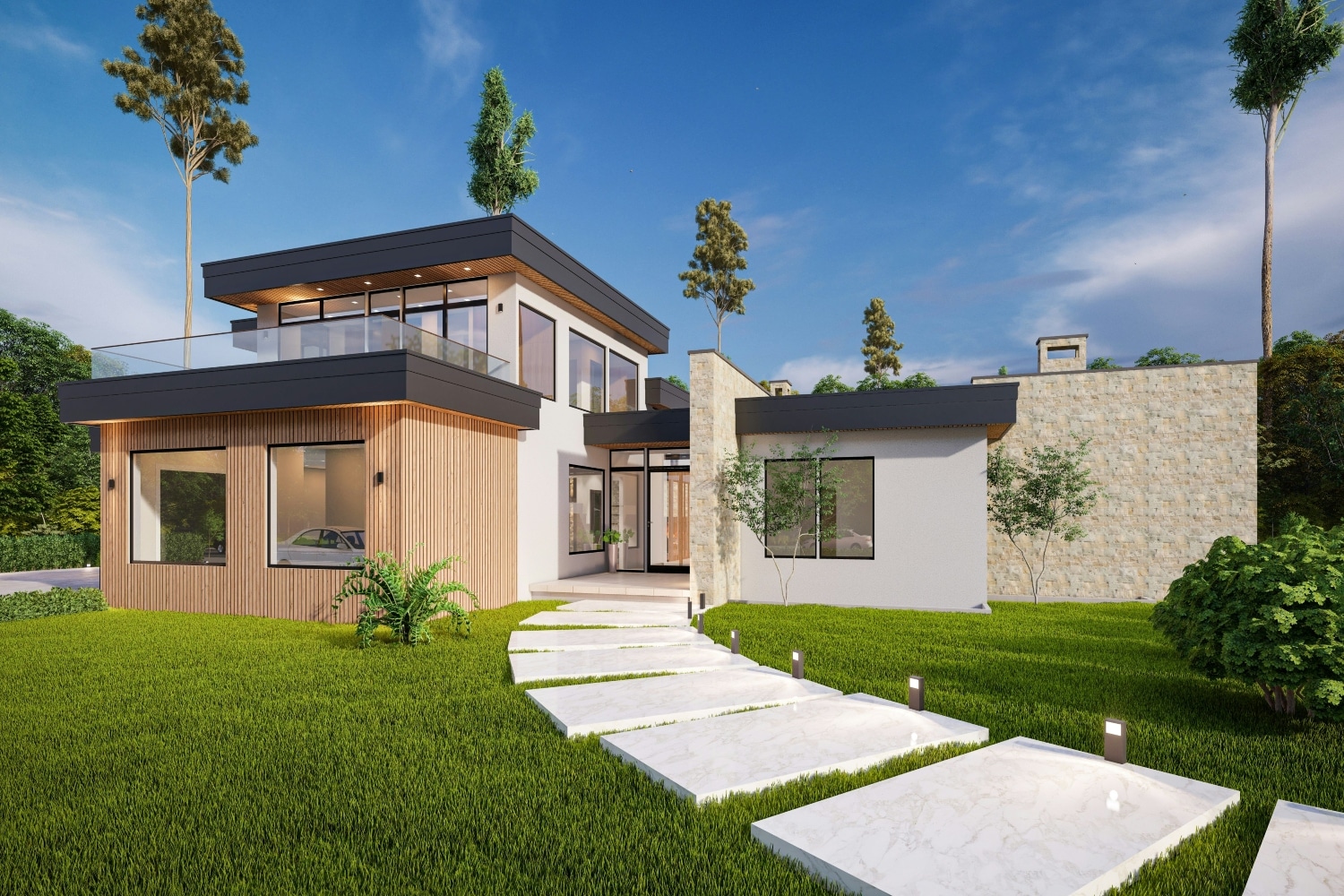
From HDB Flat to Private Condominium: A Step-by-Step Guide to Upgrading in Singapore
Moving from an HDB flat to a private condominium is a significant milestone for many Singapore homeowners. After spending several years building equity in their existing property, some households begin considering a move that offers different facilities, greater housing flexibility or a new residential environment.
However, upgrading involves more than selling an HDB flat and purchasing a condominium. Owners must understand their financial position, CPF obligations, financing arrangements and the timing of both transactions.
A carefully planned transition can help reduce financial pressure and make the upgrading process considerably more manageable.
1. Evaluate Your Existing HDB Flat Before Making Plans
The first step is understanding the financial position of your current home.
Begin by reviewing its outstanding mortgage balance, estimated market value and any renovation or maintenance expenses that may affect its sale.
The difference between the expected selling price and outstanding financial obligations provides an initial indication of the proceeds available for your next purchase.
However, the actual amount you receive may be affected by several factors, including:
- Outstanding HDB housing loan or bank mortgage.
- CPF principal amounts used for the purchase.
- Accrued CPF interest that must be refunded.
- Legal and conveyancing expenses.
- Outstanding property-related payments.
CPF refunds are particularly important. When an HDB flat is sold, owners generally need to refund the CPF savings used for the property, including accrued interest, subject to applicable CPF rules.
These refunded amounts return to the relevant CPF accounts rather than becoming unrestricted cash.
Understanding this distinction helps prevent homeowners from overestimating the funds available for their next property.
2. Decide Whether to Sell First or Buy First
One of the biggest decisions during an upgrade is determining the sequence of transactions.
Selling the existing HDB flat before purchasing a condominium provides greater clarity about the available proceeds. It also reduces the risk of carrying two substantial housing commitments simultaneously.
However, this approach requires careful consideration of temporary accommodation and moving arrangements.
Buying a condominium before selling the HDB flat may provide more flexibility when arranging the transition. Nevertheless, homeowners must consider additional financing requirements, property ownership restrictions and possible ABSD exposure.
For Singapore Citizens purchasing a second residential property, ABSD may apply while both properties are owned. Eligible married couples may qualify for an ABSD refund under specific conditions when replacing their matrimonial home, but the applicable requirements and deadlines must be checked with IRAS.
HDB owners must also satisfy the relevant conditions governing ownership and disposal when purchasing private residential property.
The correct approach depends on individual circumstances, available funds and the intended transaction structure.
3. Calculate How Much Private Property You Can Comfortably Afford
A common mistake among upgrading homeowners is assuming that the proceeds from selling an HDB flat automatically translate into sufficient purchasing power for a private condominium.
The next property requires a fresh affordability assessment.
Start by estimating the available cash proceeds and CPF funds after completing the HDB sale. Then consider the required down payment, stamp duties, legal fees and renovation expenses.
Mortgage eligibility must also be assessed.
For private residential property financing, the Total Debt Servicing Ratio (TDSR) generally limits total monthly debt obligations to 55% of applicable gross monthly income.
The Loan-to-Value (LTV) limit determines how much a financial institution can lend, subject to the applicable rules. Existing housing loans, loan tenure and borrower circumstances may affect the available financing.
Buyers should also remember that mortgage interest rates can change over time. A property that appears affordable under one interest-rate scenario may become more financially demanding if borrowing costs increase.
A sensible upgrade budget should leave room for savings, household expenses and unexpected financial commitments.
4. Compare Different Property Types and Neighbourhoods
Once the financial position is established, homeowners can begin comparing potential developments.
Some HDB upgraders prefer established private condominiums with completed facilities and an existing residential community. Others may consider new launches because they offer different unit configurations and payment arrangements.
Northern Singapore provides several options worth researching.
For example, Chencharu Central Residences is a planned private mixed-use condominium in Yishun, District 27. The development is expected to offer up to approximately 875 homes, alongside a hawker centre, bus interchange and retail facilities.
Its location is approximately 0.45 to 0.49km from Khatib MRT station, making transport accessibility one of its relevant considerations.
Another option to examine is Fablewoode Residences, a planned executive condominium on Sembawang Road. It is expected to comprise approximately 265 low-rise homes and is located around 0.5km from Canberra MRT station.
However, EC eligibility rules differ from those governing ordinary private condominiums. Homeowners considering this category should check whether they satisfy the applicable requirements before proceeding.
Beyond the development itself, compare neighbourhood amenities, commuting distances, maintenance arrangements and the suitability of individual layouts.
5. Understand the Progressive Payment Process
Many new private condominiums are purchased under the progressive payment scheme.
Instead of paying the entire purchase price immediately, buyers make payments at different construction milestones. These stages are linked to the development’s progress and the terms of the Sale and Purchase Agreement.
This arrangement can help buyers manage their financial commitments over the construction period.
However, it does not eliminate the need for adequate financial planning.
Homeowners should understand when each payment becomes due and how mortgage disbursements will be arranged. They should also consider whether they will need to continue paying for temporary accommodation or other housing expenses during the transition.
The payment structure and applicable arrangements should be verified against the relevant project documentation.
6. Avoid Common Upgrading Mistakes
Successful upgrading requires discipline, particularly when homeowners are excited about moving into a private condominium.
Avoid relying entirely on optimistic estimates of HDB sale proceeds. Obtain a realistic assessment before committing to another property.
Do not use every available dollar towards the purchase. Maintaining an emergency reserve is important, especially when household expenses and mortgage commitments may increase.
Also, avoid choosing a condominium exclusively because it has attractive facilities. Consider whether the monthly maintenance fees and overall location are appropriate for your lifestyle.
Finally, consult qualified professionals when dealing with CPF refunds, stamp duties, mortgage eligibility and transaction sequencing.
Planning an Upgrade That Remains Affordable
Moving from an HDB flat to a private condominium can provide a different residential experience, but the financial transition requires careful preparation.
By understanding existing equity, CPF obligations, financing limits and transaction timing, homeowners can establish a realistic budget before exploring developments.
The objective should not simply be to purchase a more expensive property. It should be to move into a home that offers suitable living conditions without placing unnecessary pressure on long-term household finances.