What Modern Homebuyers Should Consider When Choosing a Residential Property in Singapore
Buying a home is one of the most significant financial decisions an individual or family will make. In Singapore, where residential property options range from compact city apartments to spacious suburban developments, choosing the right home requires a clear understanding of personal priorities, financial commitments, and lifestyle expectations.
Today’s homebuyers are also becoming more conscious of how their surroundings influence everyday experiences. Factors such as neighbourhood character, accessibility, recreational opportunities, and future household requirements are increasingly important during the property selection process.
Identifying the Right Type of Residential Environment
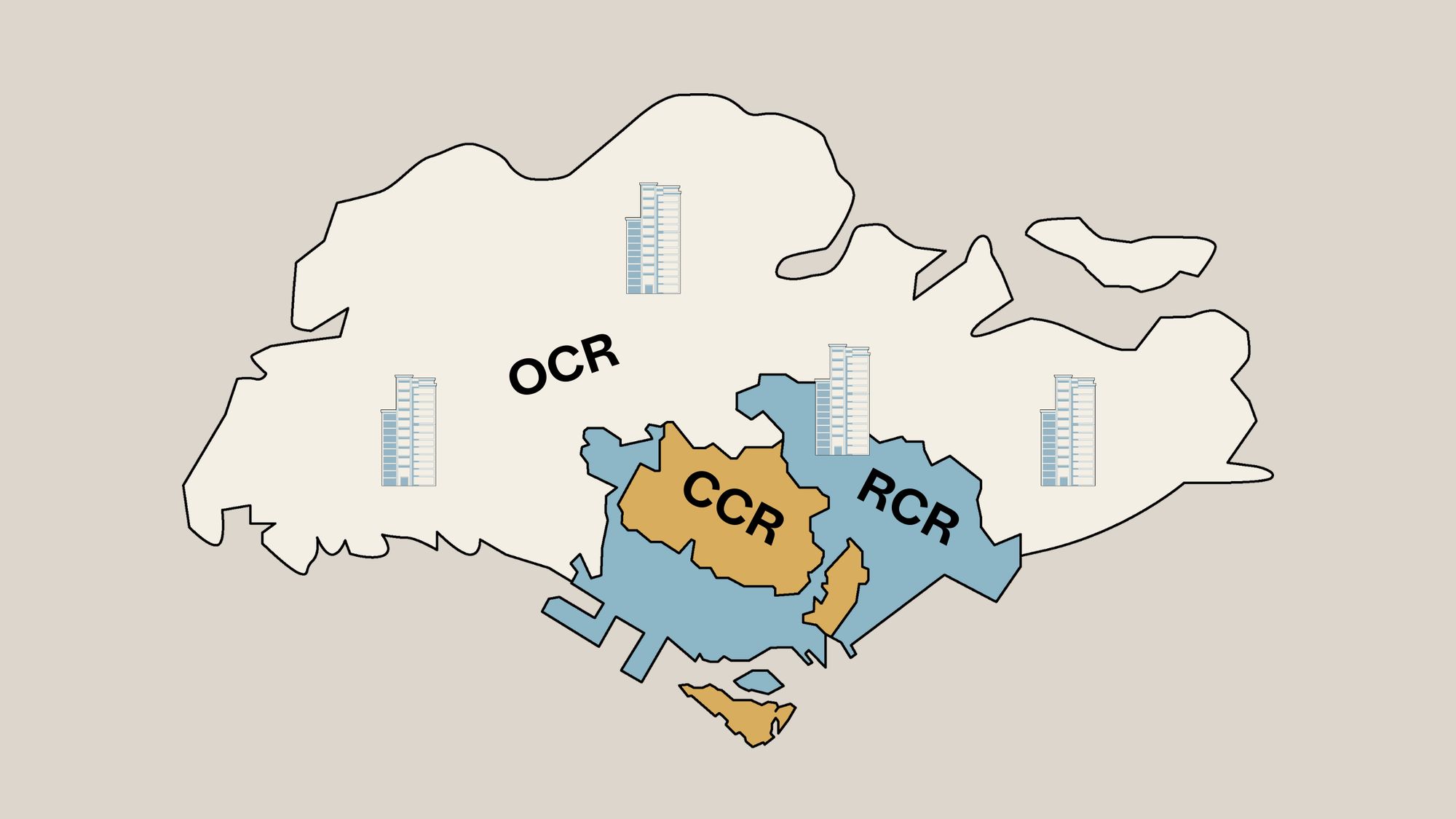
Before exploring individual properties, prospective buyers should consider the type of residential environment that best matches their lifestyle. Some people prefer the convenience of central locations, while others appreciate quieter suburban neighbourhoods with access to parks and community facilities.
The decision often depends on daily routines. Professionals working in the Central Business District may prioritise transport connectivity, whereas families might focus on educational institutions, childcare options, and nearby recreational facilities.
Developments such as Langdon Heights can be considered within the broader discussion of how buyers assess residential choices according to location and lifestyle requirements.
Rather than focusing exclusively on a property’s appearance, buyers should evaluate how comfortably the surrounding environment supports their everyday activities.
Understanding the Value of Practical Property Layouts
A well-designed residential layout can make a considerable difference to daily living. Even when two properties have similar floor areas, their functionality may vary depending on how the available space is arranged.
Several layout considerations deserve attention:
- Living and dining areas: Open and practical arrangements can support family interaction and entertaining.
- Bedroom configurations: Buyers should consider whether the available bedrooms suit their current and anticipated household needs.
- Storage provisions: Adequate storage can help maintain an organised living environment.
- Natural lighting: Window placement and orientation may influence the amount of daylight entering different rooms.
- Privacy: The relationship between bedrooms, common areas, and neighbouring units can affect residential comfort.
Visiting a showflat or reviewing official floor plans can help buyers understand how a property may function in everyday situations.
Why Neighbourhood Connectivity Matters
Transport connectivity remains an important factor in Singapore’s property market. Efficient public transportation allows residents to access employment centres, educational institutions, shopping districts, and recreational destinations across the island.
However, connectivity should not be measured solely by distance to the nearest MRT station. Buyers should also examine available bus services, road access, traffic conditions, and the practicality of their usual commuting routes.
For households with different work and school destinations, it can be helpful to compare travel times during peak and off-peak periods.
A convenient location may also reduce dependence on private transportation, potentially helping households manage their overall transport expenses.
Exploring Emerging Residential Areas in Singapore
Singapore’s residential landscape is shaped by ongoing urban planning and infrastructure improvements. Emerging neighbourhoods can attract attention because of their evolving amenities, housing options, and community facilities.
Chencharu Central Residences offers a relevant starting point for discussing how prospective buyers can assess residential opportunities in developing districts.
When considering an emerging location, buyers should investigate the area’s existing facilities and distinguish them from proposed developments. Master plans, planning approvals, and official government announcements can provide useful information about future land use and infrastructure.
It is important to remember that proposed improvements do not automatically translate into guaranteed timelines or immediate benefits. A careful assessment should consider the neighbourhood as it exists today as well as its officially documented development plans.
Looking Beyond the Initial Purchase Price
Affordability is one of the most important aspects of property ownership. While the advertised purchase price provides an initial reference, buyers should calculate the full financial commitment before proceeding.
Additional expenses may include:
- Buyer’s stamp duty and applicable additional buyer’s stamp duty.
- Legal and conveyancing fees.
- Mortgage interest payments.
- Monthly maintenance contributions.
- Renovation and furnishing expenses.
- Home insurance and ongoing household costs.
Buyers should also assess their financing eligibility and understand the implications of interest rate changes.
A realistic financial plan can help prevent a situation where purchasing a property places excessive pressure on monthly household finances.
Assessing Property Suitability for Different Life Stages
Residential requirements can change significantly throughout life. A property that suits a young couple may not necessarily remain suitable after starting a family or accommodating older relatives.
For this reason, buyers should consider flexibility when comparing housing options.
Families may value additional bedrooms and access to schools, while professionals may prefer convenient commuting arrangements. Retirees may prioritise lift accessibility, healthcare facilities, and nearby daily necessities.
Thinking about these requirements before purchasing can help buyers avoid making decisions based entirely on short-term preferences.
Conducting Proper Research Before Making a Decision
Property research should involve more than reading promotional materials. Buyers can benefit from examining comparable transactions, understanding market conditions, and checking official project details.
The Urban Redevelopment Authority (URA) provides useful information about Singapore’s private residential property market, including transaction data and planning resources.
For eligible buyers considering public housing, the Housing and Development Board (HDB) also provides information about housing policies, eligibility conditions, and available schemes.
Comparing multiple properties can reveal differences in pricing, location advantages, tenure, layouts, and ownership costs.
Professional advice may also be useful when evaluating financing arrangements, legal documentation, and transaction requirements.
Final Thoughts
Choosing a residential property in Singapore requires a balanced approach that considers financial affordability, practical layouts, neighbourhood connectivity, and long-term lifestyle suitability.
Rather than following market trends blindly, buyers should establish their priorities and compare available options using reliable information. Understanding the surrounding neighbourhood is just as important as examining the property itself.
With thorough research and realistic financial planning, prospective homeowners can make more confident decisions and select a residential environment that supports their needs over the long term.