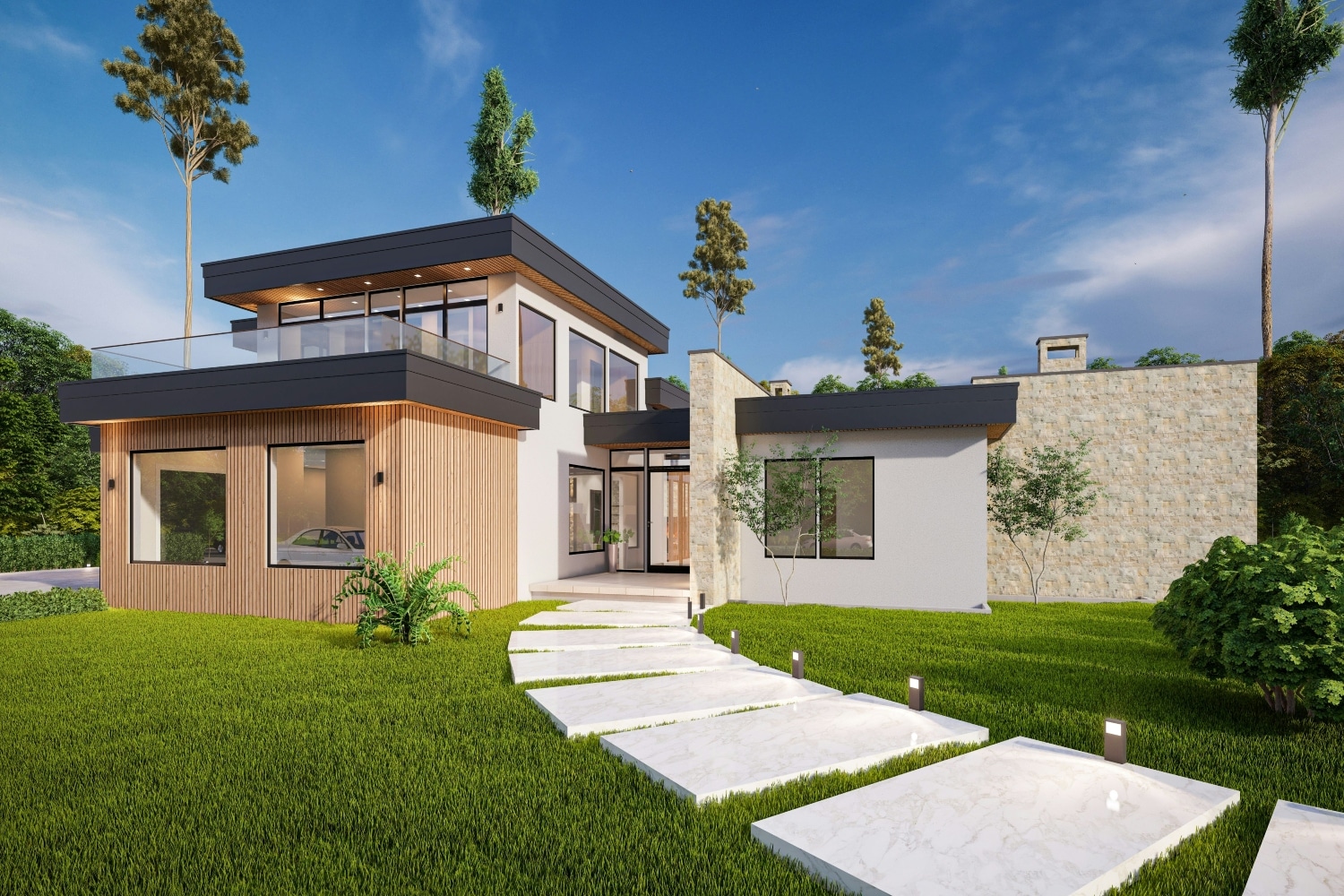
How to Turn Your Home Into a Relaxing Retreat

In today’s fast-paced world, your home should be your sanctuary—a peaceful escape from the hustle and bustle of daily life. Transforming your space into a relaxing home retreat doesn’t require a major overhaul. With a few simple changes, you can design a calming environment that promotes relaxation and well-being. Whether you’re looking to create a stress-free oasis or a cozy corner to unwind, the key lies in balancing aesthetics, functionality, and comfort. Let’s explore how you can create a relaxing home retreat with thoughtful design and practical choices.
1. Begin with a Soothing Color Palette
One of the simplest yet most effective ways to design a calming home is through your color choices. Colors have a profound impact on mood, and soft, muted tones can help foster a sense of tranquility. Think serene blues, gentle greens, and warm neutrals like beige and ivory. These colors evoke a sense of calm and restfulness, perfect for creating a peaceful environment. If you’re aiming to create a spa-like atmosphere, incorporating pastel shades can add to the serene vibe. Consider painting your walls or choosing accessories such as cushions, curtains, and rugs in these soothing hues to enhance your space.
2. Incorporate Nature into Your Design
Nothing says peace like the beauty of nature. Bringing the outdoors inside is one of the most effective home relaxation design ideas. Start by adding a few indoor plants to your living space. Plants not only purify the air but also provide a natural element that can soften the atmosphere. Succulents, ferns, and peace lilies are popular options for their low-maintenance nature and calming appearance. If you have more space, you might want to introduce a small indoor garden or hanging planters to create a peaceful retreat. For a more dramatic effect, consider a floor-to-ceiling window or a well-placed indoor water feature, like a small fountain, which can provide soothing sounds.
3. Create a Comfortable Seating Area
To fully create a relaxing home retreat, having a comfortable place to unwind is essential. Whether it’s a plush armchair by the window or a luxurious sectional in the living room, your seating should invite you to sit back and relax. Choose soft, tactile fabrics like velvet, linen, or cotton, which add texture and comfort to your furniture. Adding a cozy throw blanket or a collection of soft cushions can make your space feel even more inviting. Pay attention to the lighting in your seating area, too—soft, ambient lighting helps set the tone for a laid-back atmosphere.
4. Focus on Natural Light and Soft Lighting
When designing a peaceful home retreat, lighting plays a pivotal role. Natural light has an undeniable ability to uplift your mood and make your space feel more expansive. Maximizing natural light through large windows or strategically placed mirrors can make your home feel brighter and more open. At night, shift to softer, warmer lighting to create a cozy atmosphere. Avoid harsh overhead lights, opting instead for table lamps, floor lamps, and candles that provide a gentle, flattering glow. The right lighting helps to establish the calm energy that’s essential for relaxation.
5. Declutter and Organize
A cluttered space is often a cluttered mind, and the state of your home can significantly affect your ability to relax. One of the most important peaceful home retreat tips is to declutter regularly and keep your space organized. Start by eliminating unnecessary items and curating your belongings to reflect your personal style without overwhelming your senses. Invest in stylish storage solutions that can keep your space neat while also complementing your décor. A minimalist approach to home design helps promote peace of mind and contributes to a relaxing environment. For a more tranquil vibe, keep surfaces clear and only display items that bring joy or calmness.
6. Create Zones for Different Activities
Designing a home retreat is all about versatility and functionality. Instead of having one generic space, consider creating distinct zones for various activities. A meditation corner, a reading nook, or a cozy lounge area can all serve as spots for quiet time and relaxation. These areas can be tailored to your needs and designed with the right furniture and accessories. For instance, a reading nook could feature a comfortable chair, soft lighting, and a bookshelf, while a meditation corner might have a cushion, soft floor mats, and calming décor. When each area is designated for a specific purpose, your home becomes a series of peaceful escapes.
7. Invest in Comforting Fabrics
The tactile experience is as important as the visual when it comes to creating a relaxing home retreat. Invest in fabrics that make you feel comfortable and at ease. Soft linens, fluffy towels, and warm blankets create a tactile environment that invites relaxation. Consider upgrading your bedding to high-thread-count sheets or adding a plush duvet to your bed. In the living room, choose textiles like wool or chenille for throws and pillows, ensuring that every touch brings a sense of comfort. Fabrics also contribute to your home’s aesthetic, so choose those that enhance both the look and feel of your retreat.
8. Add Aromatherapy and Soundscapes
One of the most effective ways to enhance the ambiance of your retreat is through scent and sound. Essential oils can be a game-changer in setting a relaxing tone. Diffusing lavender, eucalyptus, or chamomile essential oils can promote relaxation and stress relief. You can also introduce soothing soundscapes, such as nature sounds or soft instrumental music, to further enhance the peaceful environment. Many smart speakers come with built-in sound systems, offering calming playlists or even white noise. Combining these sensory elements will elevate the relaxation experience and make your home feel like a true retreat.
9. Personalize Your Space
A home relaxation design idea that often gets overlooked is the personal touch. Your space should reflect your personality, incorporating elements that make you feel at peace. Display meaningful art, photographs, or objects that resonate with you. These personal details not only enhance the overall aesthetic of the room but also contribute to a sense of comfort and belonging. A personalized space is one that invites you to truly relax and unwind, making it a haven after a long day.
10. Make Your Bathroom a Spa
Lastly, don’t forget your bathroom! The bathroom can be a sanctuary if designed with relaxation in mind. Think luxurious towels, a well-organized vanity, and indulgent bath products. A freestanding tub or a shower with calming rain features can instantly transform the space into a spa-like retreat. Adding candles, soft lighting, and perhaps a few houseplants can make this space even more serene. A calming bath ritual can serve as the perfect end to a busy day, offering a moment of peace and rejuvenation.
Incorporating these home relaxation design ideas into your space doesn’t need to be overwhelming. Whether through color choices, strategic lighting, or introducing natural elements, each detail contributes to an overall relaxing home retreat. By following these simple tips, you can create a home that serves as a peaceful refuge—a place to escape, unwind, and rejuvenate. Designing a calming home is about creating an environment that nurtures your well-being and promotes serenity. So take the time to turn your living space into a retreat that supports your mental and physical relaxation.