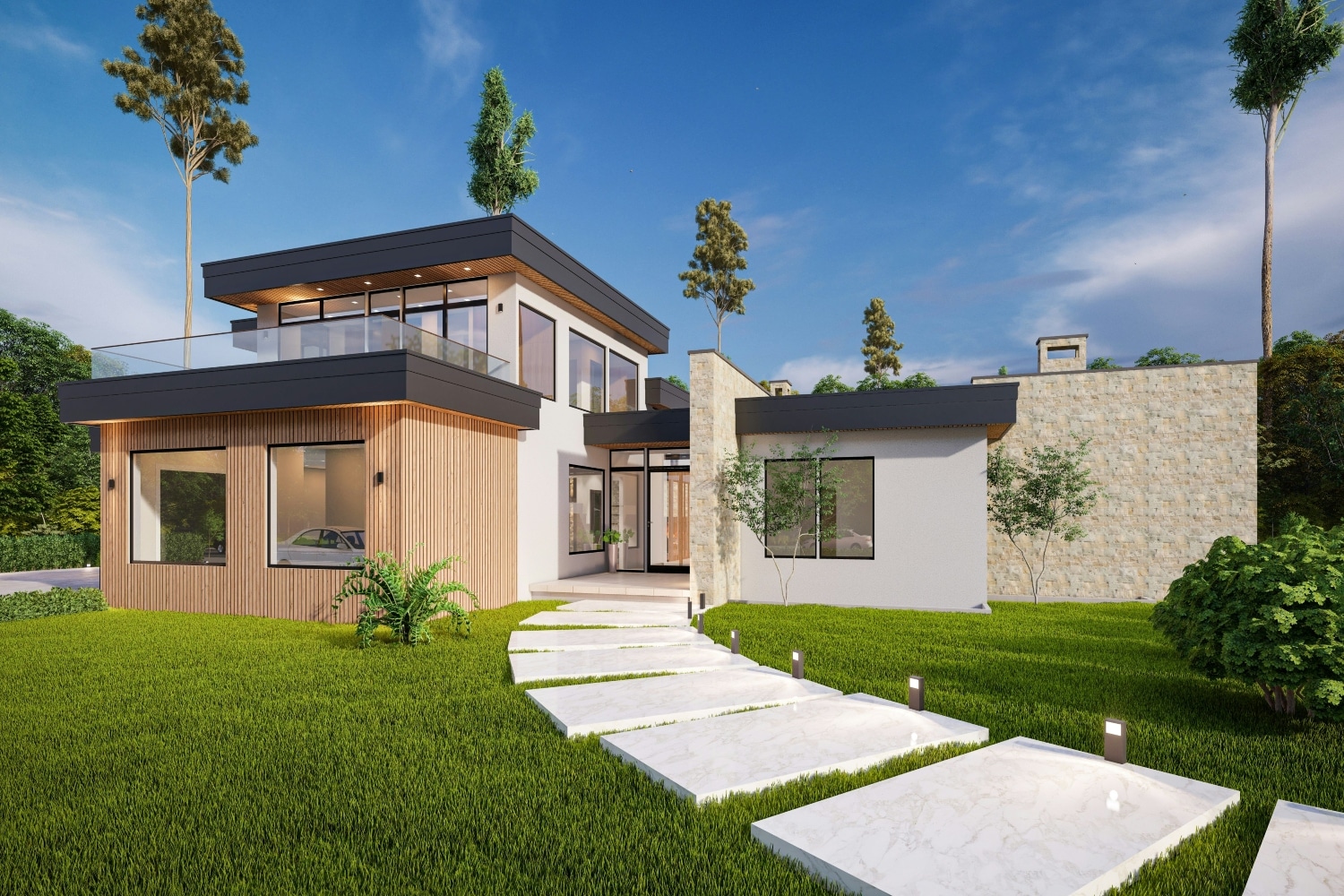
EcoNest: Where Sustainable Living Meets Warmth and Style
Introduction & Background
In a world where environmental concerns and personal well-being are becoming increasingly intertwined, the demand for sustainable living solutions has never been more urgent. Traditional housing often comes at a high environmental cost, from excessive energy consumption to the use of non-renewable materials. This has led to a growing interest in alternatives that prioritize both ecological responsibility and human comfort. Enter EcoNest, a concept that seamlessly blends sustainability with warmth and style, offering a vision of modern living that respects the planet while enhancing quality of life. By focusing on natural materials, energy efficiency, and thoughtful design, EcoNest is redefining what it means to live in harmony with nature.
Concept & Overview
EcoNest represents a holistic approach to home building, merging ancient wisdom with contemporary innovation to create dwellings that are as gentle on the environment as they are inviting to live in. At its core, EcoNest is about constructing homes using biodegradable, non-toxic, and locally sourced materials, such as straw bales, clay plasters, and timber. These materials are chosen not only for their low environmental impact but also for their ability to regulate indoor climate naturally, ensuring comfortable temperatures year-round. The design philosophy behind EcoNest emphasizes simplicity, durability, and beauty, proving that sustainable homes can be both practical and aesthetically pleasing.
Key Features & Highlights
- Natural Materials: EcoNest homes are primarily built using renewable resources like straw, clay, wood, and lime. These materials reduce the carbon footprint of construction and improve indoor air quality by minimizing off-gassing of harmful chemicals.
- Superior Insulation: Straw bale walls, for instance, provide exceptional thermal insulation, keeping homes warm in winter and cool in summer. This reduces the need for artificial heating and cooling, lowering energy bills and carbon emissions.
- Energy Efficiency: EcoNest designs often incorporate passive solar principles, high-performance windows, and energy-efficient appliances. Some homes even feature solar panels or wind turbines to generate clean energy on-site.
- Healthy Indoor Environment: By avoiding synthetic materials and chemical adhesives, EcoNest homes promote better respiratory health and overall well-being. Clay plasters, in particular, help regulate humidity and remove toxins from the air.
- Timeless Aesthetic: The natural textures and earthy tones of EcoNest homes create a warm, inviting atmosphere that blends effortlessly with natural surroundings. The use of curved walls and organic shapes adds a unique, artistic touch to the design.
- Durability & Low Maintenance: With proper care, EcoNest homes can last for generations. Materials like straw bale and clay are resistant to mold and pests when used correctly, reducing the need for frequent repairs or replacements.
Frequently Asked Questions / Pros & Cons
What exactly is an EcoNest home?
An EcoNest home is a type of sustainable dwelling built using natural, eco-friendly materials such as straw bales, clay, and timber. These homes are designed to be energy-efficient, healthy, and aesthetically pleasing, while minimizing environmental impact.
How does an EcoNest home stay warm in winter?
EcoNest homes rely on superior insulation properties of materials like straw bale walls, which trap heat effectively. Additionally, passive solar design and thermal mass from clay plasters help maintain stable indoor temperatures, reducing the need for artificial heating.
Are EcoNest homes expensive to build?
While the upfront cost of building an EcoNest home can be higher than conventional homes due to the use of specialized materials and labor, the long-term savings on energy bills and maintenance often offset this initial investment. Many homeowners also find that the health and environmental benefits provide added value.
Can EcoNest homes be customized?
Yes, one of the strengths of EcoNest design is its flexibility. Homeowners can work with architects and builders to tailor the layout, size, and aesthetic features to suit their preferences and lifestyle, ensuring the home meets their specific needs.
Do EcoNest homes require special permits?
The requirements for building permits vary by location, but many regions have recognized the benefits of sustainable housing and offer streamlined processes for eco-friendly projects. It is essential to consult local building authorities and adhere to all relevant codes and standards.
What are the main drawbacks of EcoNest homes?
Some potential challenges include the need for skilled labor familiar with natural building techniques, which can be harder to find in certain areas. Additionally, the initial construction timeline may be longer than conventional builds due to the drying times required for materials like clay plaster. However, these drawbacks are often outweighed by the long-term benefits.
Are EcoNest homes suitable for all climates?
EcoNest homes are highly adaptable and can be designed to suit a wide range of climates. For example, in hot climates, thicker walls and shading strategies can help keep interiors cool, while in cold climates, enhanced insulation and passive solar design ensure warmth. Proper site-specific design is key to maximizing comfort and efficiency.
Practical Guidance & Solutions
If you are considering building an EcoNest home, the first step is to conduct thorough research and connect with experienced natural builders or architects who specialize in sustainable design. Start by assessing your site’s solar exposure, wind patterns, and soil conditions to inform the placement and orientation of your home. This will help optimize passive solar heating and natural ventilation.
When selecting materials, prioritize locally sourced options to reduce transportation emissions and support your community. For instance, straw bales should ideally come from nearby farms, and clay plaster can often be harvested from local deposits. This not only lowers your carbon footprint but also ensures the materials are well-suited to your region’s climate.
It is also crucial to plan for long-term maintenance. While EcoNest homes are durable, they do require occasional upkeep, such as reapplying natural plasters or inspecting thatch roofs. Educate yourself or hire professionals familiar with natural building techniques to ensure your home remains in top condition for years to come.
Finally, consider integrating renewable energy systems, such as solar panels or a small wind turbine, to further reduce your reliance on fossil fuels. Many EcoNest homes also incorporate rainwater harvesting systems and composting toilets to enhance sustainability. By taking a holistic approach, you can create a home that is not only beautiful and comfortable but also a model of eco-conscious living.
Conclusion
EcoNest stands at the intersection of sustainability, comfort, and style, offering a refreshing alternative to conventional housing. By embracing natural materials and energy-efficient design, these homes prove that living lightly on the planet does not mean sacrificing warmth, beauty, or functionality. For those seeking a healthier, more environmentally responsible way of life, EcoNest provides a tangible path forward. As awareness grows and technology advances, the principles of EcoNest are likely to influence mainstream architecture, paving the way for a future where every home is a sanctuary for both people and the planet. Whether you are building a new home or retrofitting an existing one, EcoNest offers inspiration and practical solutions for a more sustainable world.