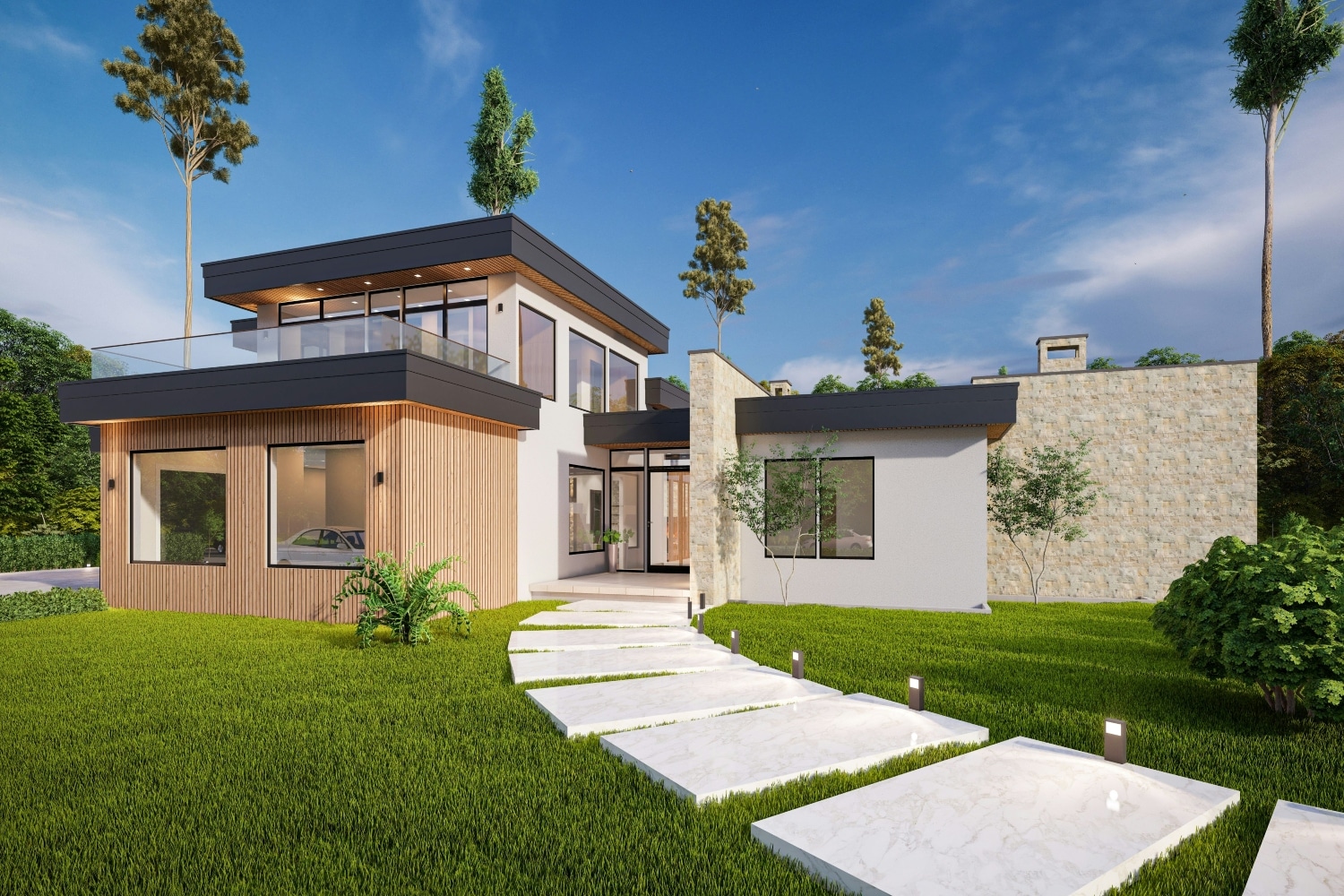
The Art of Transforming Your Living Space into a Sanctuary

Introduction & Background
In today’s fast-paced world, our homes often serve as more than just a place to rest. They become our personal retreats, where we recharge and reconnect with ourselves. The idea of transforming your living space into a sanctuary is not just about aesthetics. It is about creating an environment that nurtures peace, enhances well-being, and reflects your inner self. Studies show that a thoughtfully designed home can reduce stress, boost productivity, and foster emotional balance. Whether you live in a small apartment or a sprawling house, the principles of sanctuary design apply universally. This article explores how you can turn your home into a serene haven that aligns with your lifestyle and values.
Concept & Overview
The concept of a home sanctuary revolves around intentional design and mindful choices. At its core, it means curating a space that promotes relaxation, mindfulness, and harmony. Unlike generic interior design, which often prioritizes trends and functionality, a sanctuary focuses on emotional resonance and personal comfort. Key principles include simplicity, natural elements, and a balance between form and function. The goal is to create a space that feels both welcoming and uplifting, where every detail contributes to a sense of tranquility. This approach encourages you to declutter not only physically but also mentally, fostering a deeper connection to your surroundings.
Key Features & Highlights
- Natural Light and Airflow: Maximizing natural light and ensuring proper ventilation can instantly elevate the mood of a space. Large windows, sheer curtains, and open layouts invite sunlight, while plants and fresh air improve air quality and create a refreshing atmosphere.
- Neutral and Earthy Tones: Soft, neutral colors such as beige, taupe, and soft gray promote calmness and provide a blank canvas for personal expression. Earthy tones like sage green or warm terracotta add warmth and grounding to the environment.
- Minimalist Furniture: Opt for furniture with clean lines and simple designs. Multi-functional pieces, such as storage ottomans or foldable tables, help maintain a clutter-free space. The less visual noise, the easier it is to focus on what truly matters.
- Personal Touches: Incorporate items that hold emotional significance, such as family photos, heirlooms, or artwork you love. These elements make the space uniquely yours and evoke positive memories and emotions.
- Soft Textures and Comfort: Layering textiles like plush rugs, cozy throws, and soft cushions adds warmth and comfort. These details invite you to relax and unwind, creating a tactile experience that enhances the sanctuary feel.
- Nature-Inspired Elements: Introduce indoor plants, natural wood accents, or stone decor to bring the outdoors inside. Biophilic design has been shown to reduce stress and increase feelings of well-being by reconnecting us with nature.
- Calming Scents: Use subtle, natural fragrances like lavender, eucalyptus, or sandalwood to evoke a sense of calm. Scented candles, essential oil diffusers, or fresh flowers can transform the ambiance of a room instantly.
Frequently Asked Questions / Pros & Cons
What is the difference between a home sanctuary and a regular living space?
A home sanctuary is designed with intention and mindfulness, focusing on emotional well-being and personal comfort. Unlike a regular living space that may prioritize trends or functionality, a sanctuary emphasizes harmony, simplicity, and sensory pleasure. It is tailored to your unique needs and promotes relaxation and rejuvenation.
How can I start transforming my home into a sanctuary on a budget?
Begin by decluttering and removing items that no longer serve you. Use what you already own to create a cozy atmosphere. Introduce plants, repurpose furniture, and incorporate soft lighting with affordable candles or string lights. Small changes, like rearranging furniture or adding a few personal touches, can make a big difference without breaking the bank.
Is it necessary to hire a professional interior designer?
Hiring a professional can be helpful, but it is not necessary. Many sanctuary principles, such as maximizing natural light or using calming colors, can be implemented on your own. Start with a clear vision of what you want, research inspiration, and take it step by step. You know your space and preferences best.
What are the pros and cons of using bold colors in a sanctuary?
Pros: Bold colors can energize a space and reflect your personality. They can create focal points and add visual interest, making the room feel dynamic and alive.
Cons: Overuse of bright or saturated colors may disrupt the calming atmosphere you aim to achieve. They can be overwhelming if not balanced with neutral tones or soft textures. Consider using bold colors as accents rather than dominant hues.
Can a sanctuary design work in small spaces?
Absolutely. Small spaces can be transformed into sanctuaries with thoughtful planning. Use vertical storage to free up floor space, choose multi-functional furniture, and keep decor minimal. Mirrors can create the illusion of more space, while soft lighting enhances coziness. The key is to prioritize what brings you joy and peace.
Practical Guidance & Solutions
Transforming your living space into a sanctuary begins with a clear vision and small, intentional steps. Start by decluttering one area at a time, keeping only items that serve a purpose or bring you joy. This process alone can create a sense of lightness and clarity. Next, assess the lighting in each room. Replace harsh overhead lights with warm, ambient lighting, such as table lamps or floor lamps. Consider adding dimmer switches to adjust the mood as needed.
Choose a color palette that resonates with you, focusing on soft, soothing tones. If you love color, introduce it through accessories like cushions, artwork, or rugs. Incorporate natural elements by adding plants or wooden furniture. Even a single potted plant can breathe life into a space. Pay attention to textures as well. Layering fabrics like linen, cotton, and wool adds depth and comfort.
Finally, make your sanctuary personal. Display items that tell your story, whether it’s a travel souvenir, a favorite book, or a piece of art. These elements create a sense of belonging and warmth. Remember, the goal is not perfection but creating a space that feels like a true retreat. Start small, be patient, and enjoy the process of making your home a sanctuary that nourishes your soul.
Conclusion
Creating a sanctuary in your home is an act of self-care and love. It is about crafting a space that feels safe, comforting, and uniquely yours. In a world that often feels chaotic and overwhelming, your home should be a place of refuge where you can breathe, reflect, and recharge. By embracing simplicity, natural elements, and personal touches, you can transform even the smallest corner into a haven of peace. Start today, take it one step at a time, and watch as your living space becomes a reflection of your inner calm and beauty. Your sanctuary awaits.