The Growing Importance of Smart Features in Residential Properties
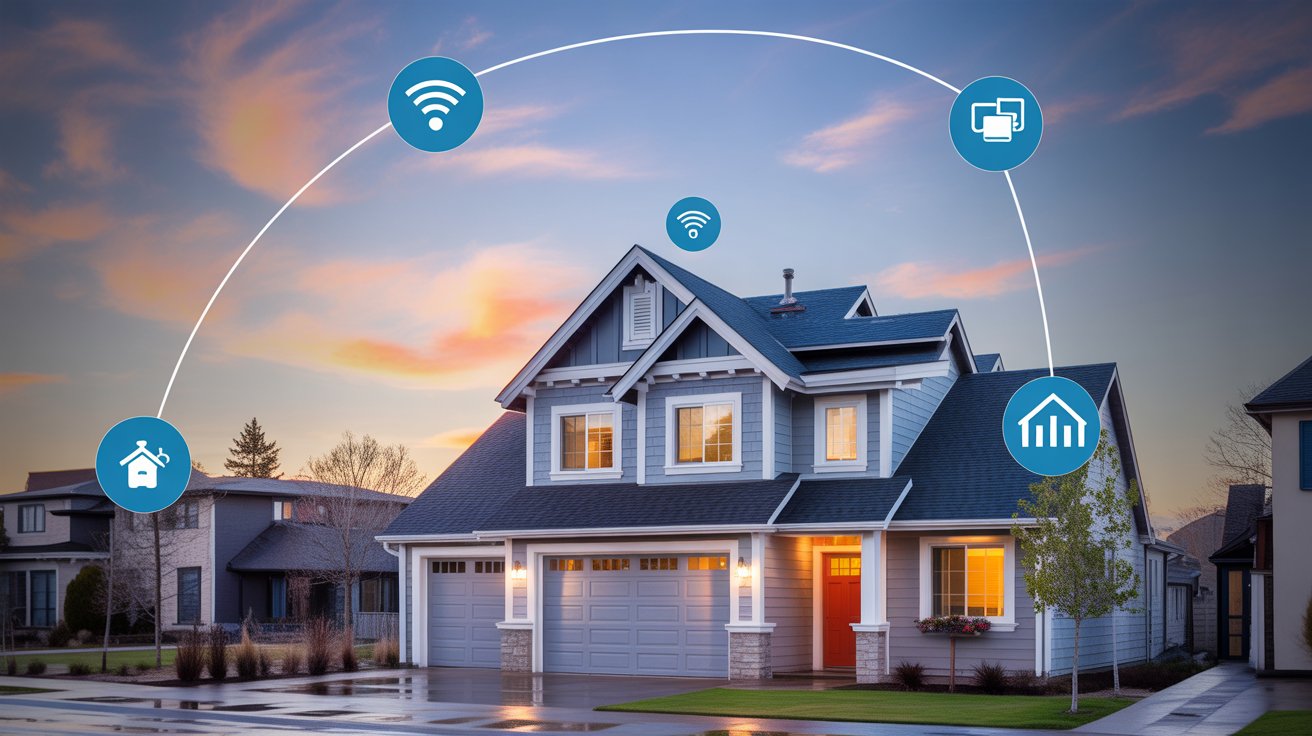
Smart technology has become an increasingly relevant consideration for Singapore homebuyers. Modern residential properties can now incorporate digital systems that improve security, convenience, energy management, and everyday comfort. From app-controlled access to automated lighting and climate settings, these features can change how residents interact with their homes. Yet technology should not be viewed simply as a collection of attractive gadgets. The real value lies in how reliably and naturally these systems support daily routines. Buyers should therefore assess smart features based on usefulness, integration, security, and long-term practicality.
Convenience Starts With Everyday Tasks
Smart home technology can simplify repetitive activities that residents perform every day. Digital door locks, automated lighting, remote controls, and app-based systems can reduce the number of manual steps involved in managing a home.
For busy households, small conveniences can add up. Residents may check security systems remotely, control selected appliances, or manage access for visitors without being physically present. Developments such as The Serra Residences illustrate why buyers may consider smart features alongside traditional aspects of residential design when evaluating modern homes.
Security Can Benefit From Digital Systems
Smart security features can provide homeowners with greater visibility over their property. Digital locks, controlled access systems, video doorbells, and connected surveillance can help residents monitor activity around their homes.
The effectiveness of these systems depends on proper installation, reliable connectivity, and secure software. Buyers should understand how access credentials are managed and whether systems receive regular updates. Convenience should never come at the expense of basic security practices, particularly when several household members may use connected devices.
Energy Management Is Becoming More Relevant
Smart technology can help residents monitor and manage energy use. Automated lighting, intelligent climate controls, and energy-monitoring systems can provide greater awareness of consumption.
Automation may also reduce unnecessary use when systems are configured appropriately. For example, lights can be scheduled or switched off automatically in selected areas. The actual savings will depend on household behaviour and system settings, but better visibility can encourage more responsible consumption.
Climate Control Supports Comfort
Singapore’s warm climate makes temperature management an important part of residential comfort. Smart climate systems can allow residents to adjust settings remotely or create preferred schedules.
Automation can be useful for households with predictable routines. Residents may configure cooling settings around working hours or sleeping patterns rather than manually changing controls throughout the day. Buyers should assess whether smart climate features work with the property’s existing systems and whether they remain usable through conventional controls if technology fails.
Smart Access Can Simplify Arrivals
Digital access systems can make entering a residential development more convenient. Mobile credentials, keyless entry, visitor management, and smart intercoms can reduce the need for physical keys and provide additional control over access.
These systems can be particularly useful for households that receive regular visitors or deliveries. Residents may be able to grant temporary access without sharing permanent credentials. Developments such as Dunearn Green highlight why integrated access and residential technology can form part of the wider convenience offered by contemporary developments.
Technology Can Support Remote Work
Smart features can also complement changing work patterns. Reliable connectivity, sufficient power points, automated lighting, and integrated controls can make a home more suitable for working remotely.
A connected home may allow residents to manage lighting and temperature without interrupting work. Still, technology cannot compensate for a poorly planned workspace. Buyers should consider room proportions, natural light, noise levels, and privacy alongside smart systems when evaluating work-from-home suitability.
Connected Appliances Offer Greater Control
Some residential properties can support connected appliances that allow residents to monitor or control equipment through mobile applications. Smart refrigerators, washing machines, ovens, and other devices can provide alerts or automated functions.
These features may be useful for households that value remote monitoring or scheduled operation. Buyers should consider compatibility between devices and avoid assuming that every connected appliance will remain supported indefinitely. A technology ecosystem is more useful when products can work together and receive reliable updates.
Ease of Use Matters
A smart home should make life simpler, not more complicated. Buyers should consider whether systems are intuitive enough for everyone in the household to use.
This is particularly relevant for multi-generational families, where residents may have different levels of comfort with technology. Essential functions should ideally remain accessible through straightforward controls. A system that requires frequent troubleshooting may create frustration rather than convenience.
Privacy and Data Protection Should Be Considered
Connected devices can collect information about how residents use their homes. Buyers should understand what data may be collected, where it is stored, and how access is controlled.
Strong passwords, secure networks, regular software updates, and reputable technology providers can help reduce potential risks. Residents should also review device permissions and avoid granting unnecessary access. Smart living should include sensible digital security practices alongside physical security measures.
Future Compatibility Has Value
Technology changes quickly, so buyers should consider how easily smart systems can be updated or replaced. A home that relies on proprietary technology may become less flexible if a particular platform is discontinued.
Open standards and compatibility with widely supported systems can provide greater choice over time. Buyers should ask relevant questions about warranties, software updates, technical support, and replacement options before placing significant value on smart features.
Choosing Technology That Has Real Value
Smart home features can improve residential living when they address genuine needs. Security, energy management, climate control, access, remote work, and everyday automation can all benefit from appropriate technology.
Homebuyers should avoid choosing a property simply because it has the longest list of connected features. Reliability, usability, security, compatibility, and long-term support are more meaningful measures of value. The best smart home is one where technology works quietly in the background, making everyday tasks easier while preserving the comfort, privacy, and flexibility that residents expect from a well-designed home.